INTRODUCTION

Tobacco remains one of the greatest public health scourges, responsible for more than 8 million deaths worldwide each year. However, according to the latest Eurobarometer survey, nearly a quarter of Europeans continue to smoke regularly. Faced with this reality, many smokers are turning to alternatives: electronic cigarettes (e-cigarettes) or heated tobacco products (HTPs).

Increasingly popular alternatives.

For several years now, solutions such as electronic cigarettes and heated tobacco products have been attracting a growing number of smokers. They are often presented as less harmful than traditional cigarettes, reducing exposure to the toxic substances contained in tobacco smoke. But what is the reality?

A scientific study published in June 2025 provides some interesting insights. Researchers compared the levels of harmful substances inhaled when using conventional cigarettes, heated tobacco products and e-cigarettes, based on independent data not funded by the tobacco industry.

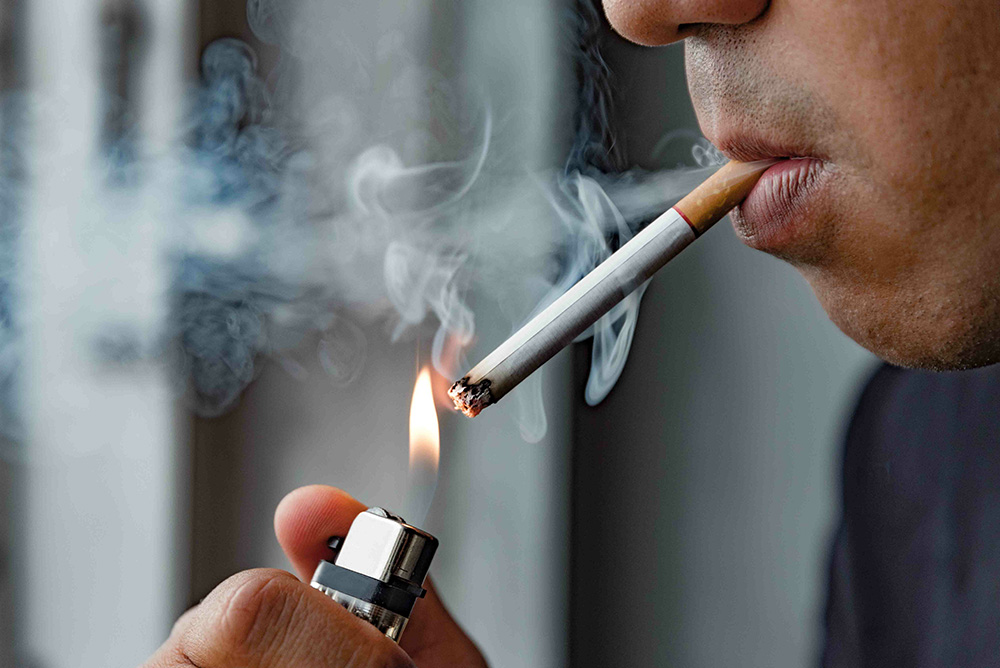
CONVENTIONAL CIGARETTES

Tobacco combustion is the most dangerous process. When a cigarette burns at temperatures that can exceed 800°C, it releases more than 7,000 chemicals, of which around 100 are classified as "harmful or potentially harmful". These include:

Carbon monoxide (CO) : a toxic gas that reduces oxygenation of the blood.

Polycyclic aromatic hydrocarbons (PAHs): powerful carcinogens produced at high temperatures, such as benzopyrene.

Tobacco-specific nitrosamines (TSNAs): among the most carcinogenic compounds known, such as nitrosoanatabine.

Aldehydes (formaldehyde, acetaldehyde, acrolein): irritants to the respiratory tract.

Heavy metals (lead, cadmium, nickel, mercury): toxic to many organs.

Smoking kills

HEATED TOBACCO VS. E-CIGARETTES

Heated tobacco products (HTPs): tobacco is heated without combustion, producing an aerosol of nicotine and other substances, but in smaller quantities than cigarette smoke.

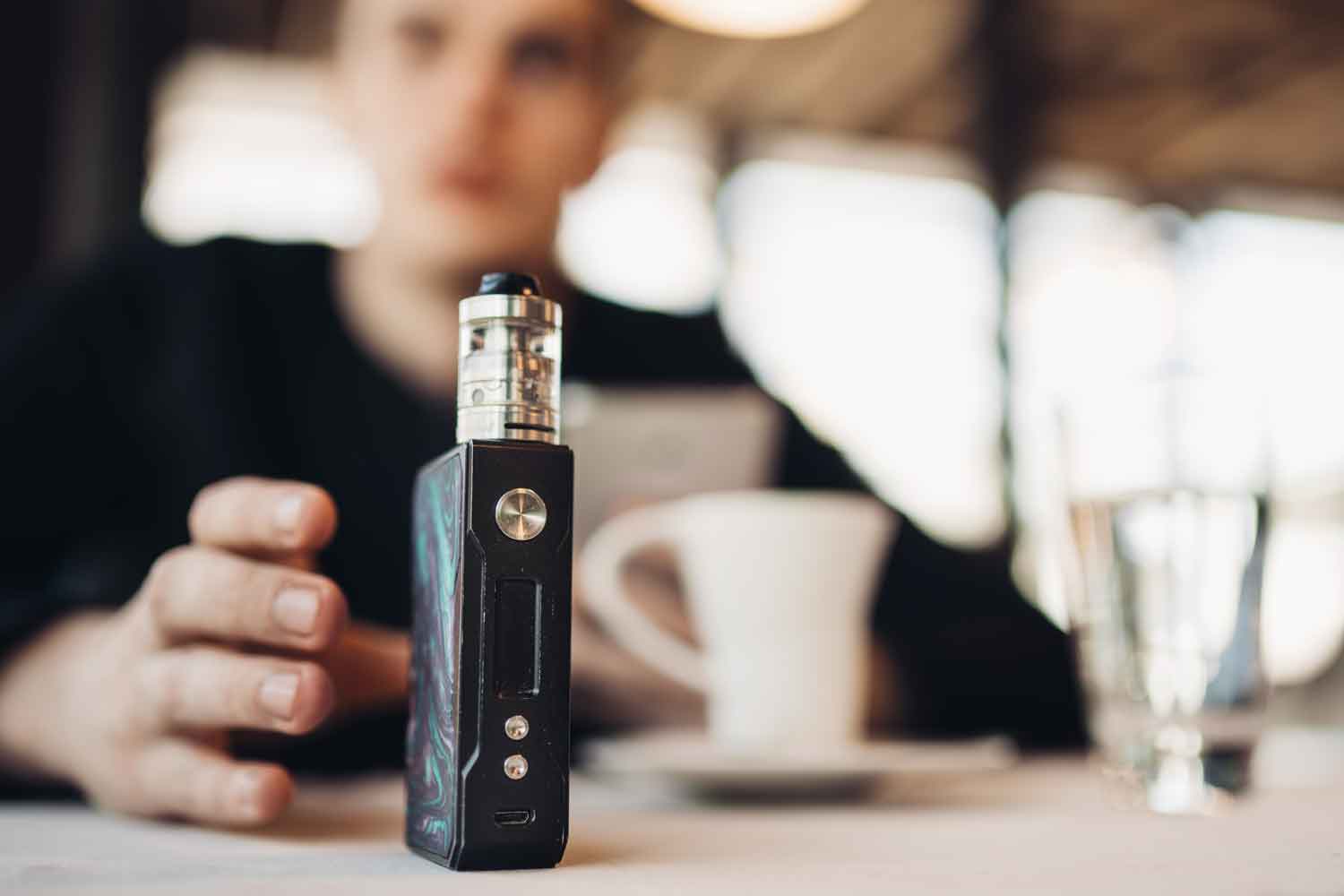
Electronic cigarette: an e-liquid composed of propylene glycol, vegetable glycerine, nicotine (depending on the dosage chosen) and flavourings is vaporised. Here, there is no tobacco, but a vapour that is inhaled.


ProductHow it worksMain inhaled substancesPresence of tobacco
Traditional cigaretteCombustion du tabac (700–900°C)Smoke, tar, CO, thousands of toxic compoundsOui
Heated tobacco products (HTPs)Controlled heating of tobacco (300–350°C) without combustionAerosol containing nicotine, aldehydes, TSNAsOui
Electronic cigaretteHeating of an e-liquid (glycerine, propylene glycol, flavourings, variable nicotine content)Vapour (nicotine, flavours, traces of carbonyls)Non

THE NUMBERS SPEAK FOR THEMSELVES

The 2025 study compared the concentrations of toxic substances inhaled, not per pack or per cigarette, but per puff, in order to best reflect actual use. The results are clear: e-cigarettes and heated tobacco significantly reduce exposure to harmful substances, but to varying degrees.


Substance (known effect)Traditional cigaretteHeated tobacco products (HTPs)Electronic cigarette
Nitrosoanatabine (carcinogenic)20,98 ng/puff1,51 ng/puff0,005 ng/puff
Nicotine (addiction)0,17 mg/puff0,10 mg/puff0,05 mg/puff
Carbon monoxide (CO) (cardiorespiratory)2,78 mg/puff0,04 mg/puff0,002 mg/puff
Benzopyrene (powerful carcinogen)1,40 ng/puff0,05 ng/puff0,003 ng/puff
Formaldehyde (carcinogenic, irritant)4,7 µg/puff0,53 µg/puff0,04 µg/puff
Acrolein (toxic to the lungs and heart)12,4 µg/puff0,67 µg/puff0,06 µg/puff


These figures show a significant reduction in exposure to toxic substances, particularly for e-cigarettes. According to the researchers, heated tobacco reduces exposure to harmful substances by an average of 91%, while e-cigarettes achieve a reduction of around 98%.

LIMITATIONS OF THIS STUDY

Like all scientific work, this meta-analysis has certain limitations that should be taken into account.

Firstly, comparisons between studies are unreliable due to the lack of identical protocols. These methodological differences can influence the results and must be taken into account.

Another point of concern is unregulated products, which are widely available on certain markets. Counterfeit e-liquids or illegal pods may contain undeclared substances and therefore pose a real health risk.

Finally, reducing emissions does not automatically guarantee a proportional reduction in health risks.

Vaping saves lives

KEY POINTS TO REMEMBER

Scientific data confirms that alternatives to traditional cigarettes greatly reduce exposure to toxic substances. According to available studies, e-cigarettes appear to be the least harmful option currently available to smokers. Heated tobacco is also a less risky option than traditional cigarettes, but its toxicity profile remains closer to that of traditional cigarettes than to vaping.

However, none of these alternatives are completely safe. They should be considered primarily as risk reduction tools for smokers who are unable to quit, rather than harmless products for recreational use. The best choice is still to quit smoking and nicotine completely. For those who are unable to take this step, vaping can be a transition to a significantly less harmful form of consumption. 


Thank you for reading.

The Sweetch team